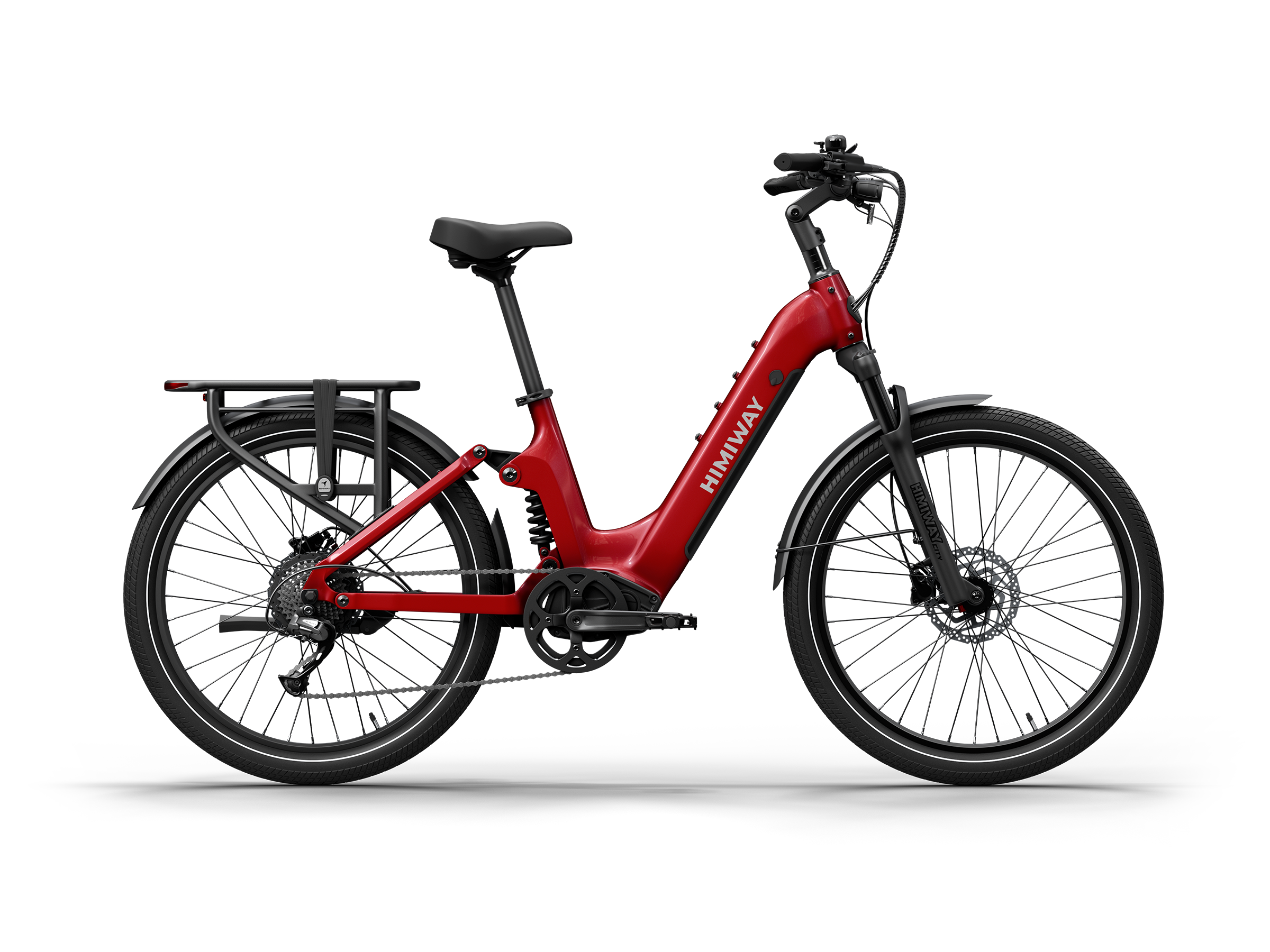
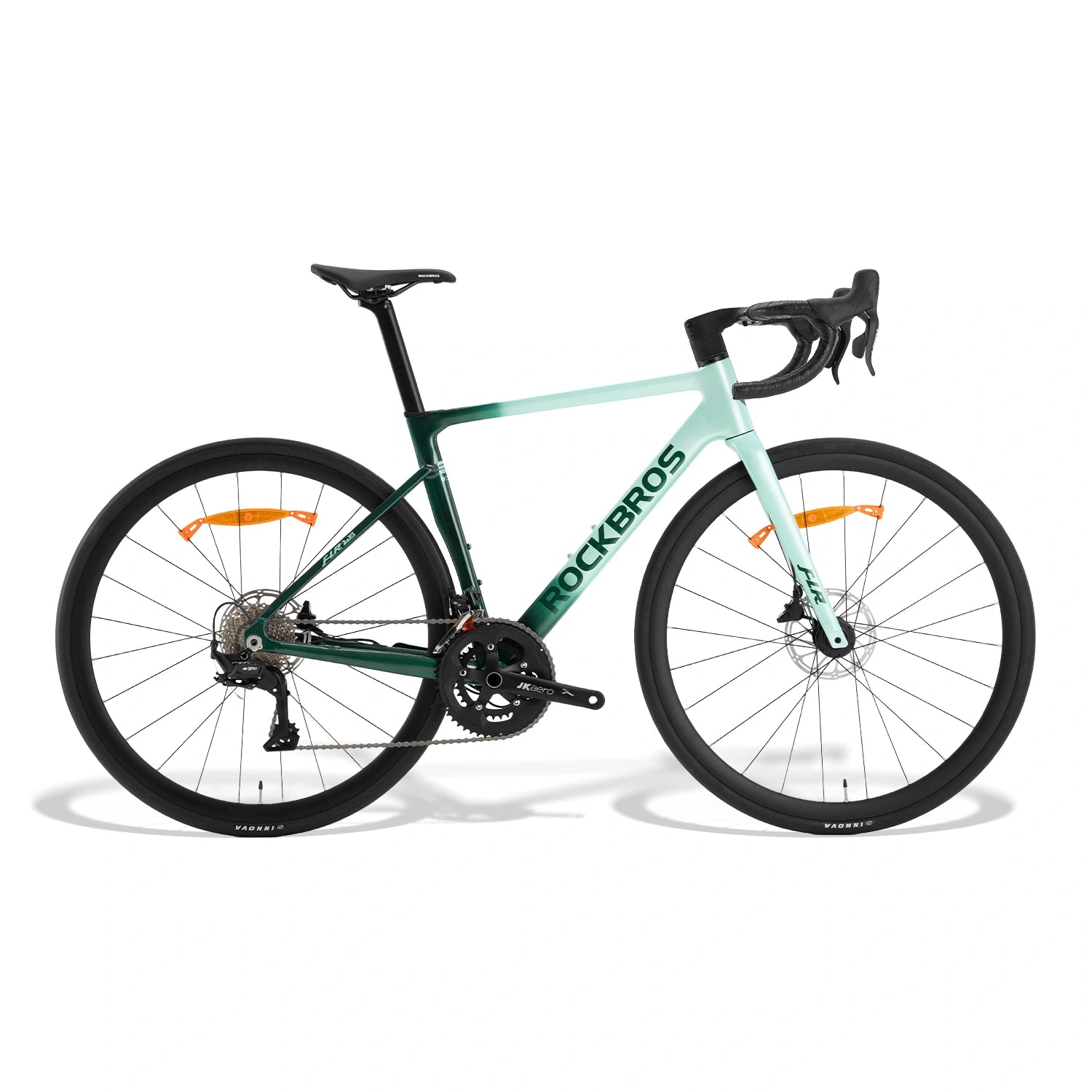
This is the first fork in the road for most new bike commuters: pay more upfront for pedal assist, or keep it simple with a regular bike. Neither is universally better — the right call depends on your specific commute.
Side-by-Side Comparison
E-Bike
Regular Commuter Bike
Upfront Cost
$900–$2,500+ typical range
$300–$1,200 typical range
Physical Effort
Low to moderate — motor assists
Moderate to high — all you
Commute Distance Sweet Spot
5–20+ miles one-way
Under 8 miles one-way for most riders
Hills
Minimal added difficulty
Meaningfully harder, arrival sweatier
Maintenance
More complex — battery, motor, electronics
Simple — chain, brakes, tires
Weight
40–70 lbs typical
20–30 lbs typical
Theft Risk / Target Value
Higher value, bigger theft target
Lower value, less attractive target
Charging Needed
Yes — plan around battery range
No
When an E-Bike Is the Better Call
An e-bike earns its extra cost when it turns a commute you wouldn’t otherwise do by bike into one you actually will — longer distances, hillier routes, or arriving somewhere you can’t easily shower or change. If the honest alternative to an e-bike is driving, the math tends to favor the e-bike even at a higher price, since it directly replaces car trips.
When a Regular Bike Is the Better Call
For short, flat commutes — especially under 5 miles — a regular bike gets you there in nearly the same time, costs less, needs less maintenance, and is a smaller theft target. If you’re also using the bike for fitness (not just transportation), the extra physical effort of a regular bike is a feature, not a drawback.
Which One Is Right for You?
Choose an e-bike if:
Your commute is 8+ miles one-way, or has real hills
You want to arrive without being sweaty
An e-bike would replace car trips you’d otherwise drive
You can charge the battery reliably where you live or work
Choose a regular bike if:
Your commute is short and mostly flat
You want the bike to double as exercise
You’d rather not deal with charging, batteries, or motor maintenance
Budget and theft-risk are bigger concerns than speed or effort
Examples of each type
Example e-bike
10% offHub motorCommuting
Motor
Hub
Himiway
Himiway A7 Commuter E-Bike
$1,999.00$1,799.00Save 10%
Detail
Daily Commuting, Comfort, Errands & Cargo
Detail
Hub motor
Detail
Use: Commuting, Cargo
A step-thru full-suspension commuter e-bike with up to 70 miles of range, built for a comfortable, upright ride on pavement and light trails.
This page contains affiliate links. If you buy through one, we may earn a commission at no extra cost to you. Learn more.
FAQ
Is an e-bike worth it for a short commute?
For commutes under about 5 miles on flat ground, a regular bike usually gets you there in close to the same time for less money and less maintenance. E-bikes earn their cost more clearly on longer or hillier commutes.
Do e-bikes need a lot of maintenance?
More than a regular bike, yes — you’re maintaining a battery, motor, and additional electronics on top of the same chain, brakes, and tires a regular bike needs. It’s manageable, but budget more time and cost for upkeep than you would with a standard bike.