Start Here
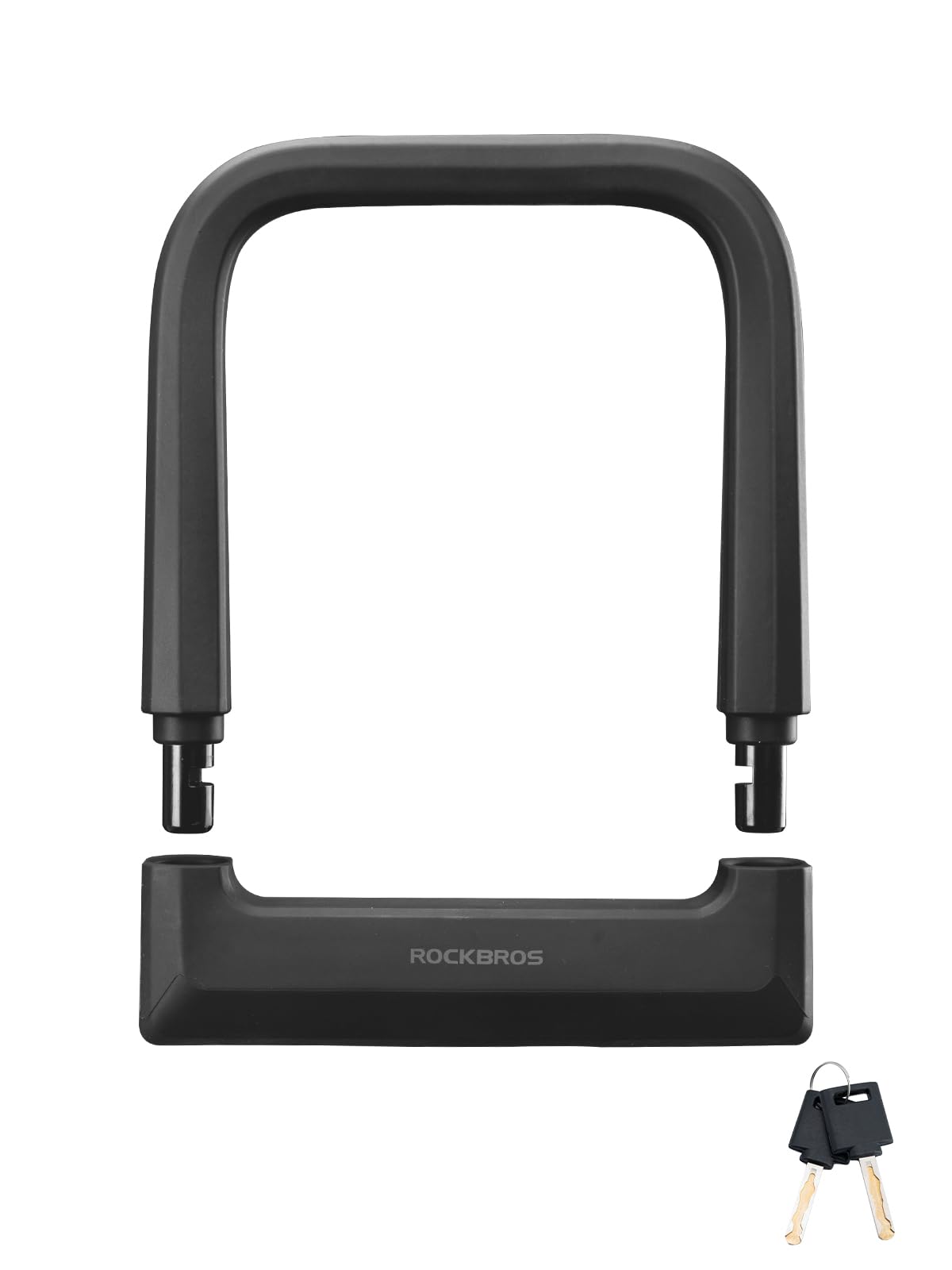
Primary lock: ROCKBROS Heavy Duty Bike U-Lock with 4Ft Security CableBuying Guide
Best Bike Locks
Not all locks are equal — here’s how to pick one that matches where and how long you’ll actually leave your bike parked.
A bike lock’s job isn’t to make theft impossible — it’s to make your bike take longer to steal than the one parked next to it, or than a thief is willing to spend in a visible public spot. That framing changes how you should shop.
This guide ranks lock types by real-world security and explains when to combine two locks, which is the single biggest security upgrade most commuters skip.
Decision Point
Lock Types, Ranked by SecurityLast Checked
2026-08-15Picks from our shop
Choose This If
- ROCKBROS Heavy Duty Bike U-Lock with 4Ft Security Cable: Frame + Wheel Double-Lock Set
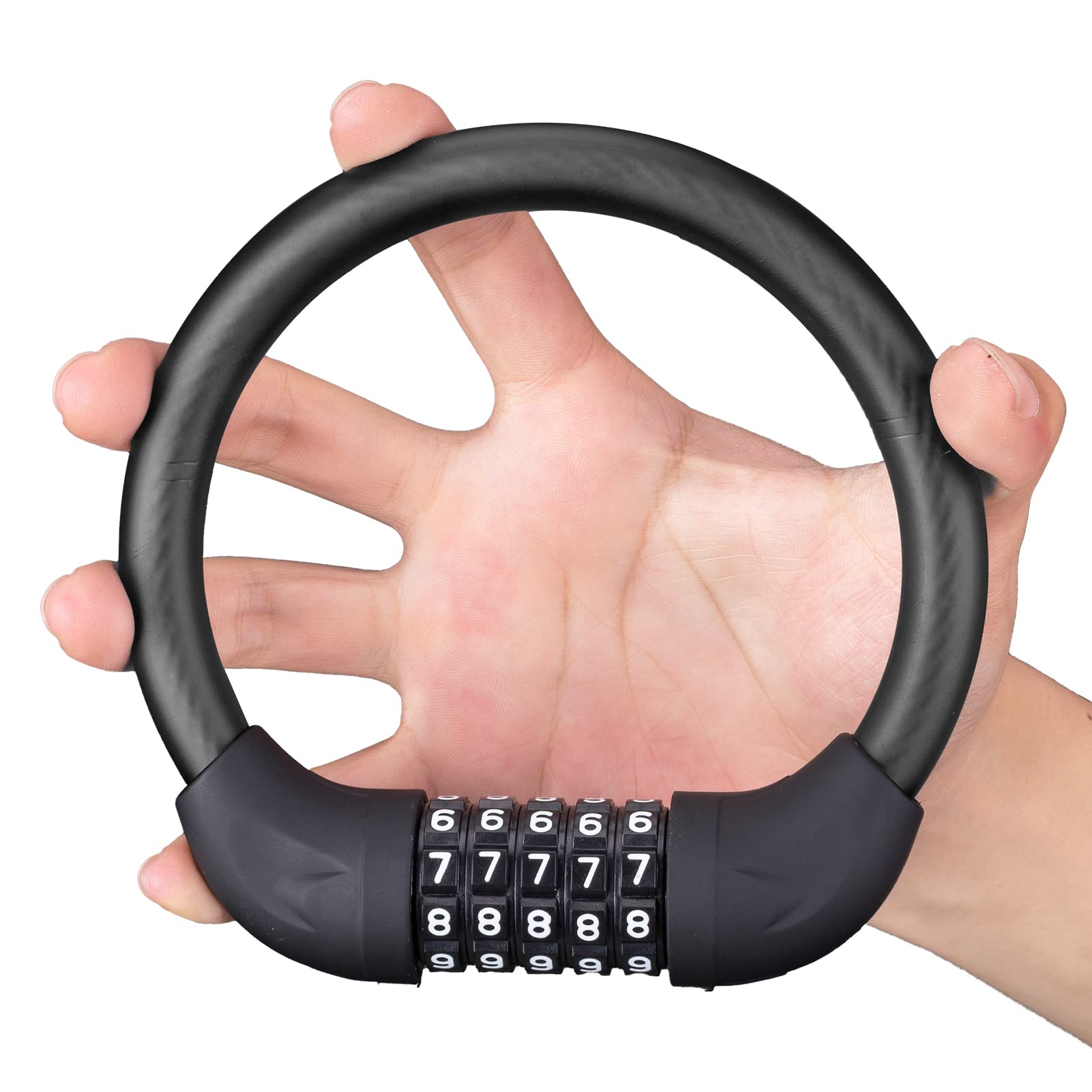
- ROCKBROS 5-Digit Combination Cable Bike Lock: Budget Secondary Lock
Skip This If
- You only want a cable, or you need a chain for an awkward frame.
- This would be the only lock on the bike.
| Detail | ROCKBROS Heavy Duty Bike U-Lock with 4Ft Security Cable | ROCKBROS 5-Digit Combination Cable Bike Lock |
|---|---|---|
| Fit | Primary lock | Secondary lock only |
| Price | $31.99 | $13.99 |
| Best For | Frame + Wheel Double-Lock Set | Budget Secondary Lock |
| Key Specs | See product details | See product details |
Primary lock
Primary
- Security
- Primary
ROCKBROS Heavy Duty Bike U-Lock with 4Ft Security Cable
$31.99
- Detail
- Frame + Wheel Double-Lock Set
- Detail
- Use: Primary
A U-lock and 4ft steel security cable set for double-locking your frame and wheel.
Secondary lock only
Secondary
- Security
- Backup
ROCKBROS 5-Digit Combination Cable Bike Lock
$13.99
- Detail
- Budget Secondary Lock
- Detail
- Use: Secondary
A lightweight 5-dial combination cable lock, easy to set and reset with no keys.
This page contains affiliate links. If you buy through one, we may earn a commission at no extra cost to you. Learn more.
Lock Types, Ranked by Security
U-locks (D-locks) are the baseline standard for commuter security — hardened steel shackles resist bolt cutters and are difficult to pry. A quality U-lock is the single most important lock in your setup; the ROCKBROS Heavy Duty U-Lock, for example, pairs a 25mm hardened-steel shackle with a carbon-steel body and a silicone coating that keeps the shackle from scratching your frame.
Chain locks with a hardened-steel chain and a separate lock body offer similar security to a U-lock with more flexibility to lock around awkward frame shapes or through both wheels, at the cost of more weight to carry.
Folding locks (articulated steel bars) pack more compactly than U-locks while offering comparable security from quality brands — a good middle ground for riders who want a smaller carry footprint.
Keyless smart locks are a newer category worth knowing about: the ROCKBROS NFC Smart U-Lock unlocks with a tap from your phone or an included NFC card instead of a physical key. Genuinely convenient if you're tired of digging for keys one-handed, but you're trading that for a battery to keep charged (rated around 1,500 unlocks per charge) and a higher price than an equivalent keyed U-lock.
Cable locks are the weakest common option — easily cut with basic tools in seconds. Use a cable lock only as a second, supplementary lock, such as the ROCKBROS 5-Digit Combination Lock for securing a wheel, never as your only lock in an unattended public location.
Why Two Locks Beat One
Thieves who carry bolt cutters or angle grinders are usually equipped for one lock type, not two. Locking with a U-lock through the frame and rear wheel, plus a cheaper cable lock through the front wheel (if it’s quick-release), covers both wheels and the frame without needing to carry two expensive locks — the Heavy Duty U-Lock above is sold with its own 4ft security cable for exactly this pairing, so you don't have to shop for the second lock separately.
Where and how you lock matters as much as what you lock with: always lock to a fixed, immovable object, keep the lock shackle as full as possible (less room to insert a pry tool), and position the keyhole facing down to make it harder to pick or pour debris into.
Matching Lock Weight to Your Commute
Security and weight are in direct tension — the most theft-resistant locks are also the heaviest to carry daily. If your bike is parked in a high-theft area for hours (a train station, a busy downtown street) for most of the day, it’s worth carrying a heavier, more secure lock. If you’re mostly parking briefly in lower-risk spots, a lighter folding or compact U-lock is a reasonable tradeoff.
A Backup If the Lock Fails Anyway
No lock is unbeatable given enough time and the right tools, so it's worth having a plan for the case where locking and technique aren't enough. A hidden Apple AirTag — the ROCKBROS Hidden AirTag Bike Bell conceals one inside a working bell — lets you track a stolen bike through Apple's Find My network instead of losing it entirely. Pair that with registering your bike's serial number, which is free and takes about five minutes, and gives you something concrete to hand a shop or police department if the bike does turn up.
How We Keep This Guide Useful
We start with the riding problem, then weigh specs that change the real ownership experience: fit, capacity, range, braking, storage, serviceability, and price. Product cards only appear when the product is live and reviewed for the site, and this guide was last checked on 2026-08-15.
FAQ
Is a U-lock or a cable lock better?
A U-lock is significantly more theft-resistant than a cable lock and should be your primary lock. Cable locks are fine as a secondary lock (for a second wheel) but are easily cut and shouldn’t be relied on alone in public.
Should I use two locks on my bike?
Yes, if the bike is parked unattended in public for meaningful stretches of time. Two different lock types force a thief to carry and use two different sets of tools, which meaningfully reduces the pool of people willing or equipped to steal it.
How do I lock my bike correctly?
Lock to a fixed, immovable object; run the lock through the frame (not just a wheel); keep as little empty space inside the shackle as possible; and position the keyhole facing downward. Park in visible, well-lit areas when you have the choice.
Are smart locks worth the extra cost over a regular U-lock?
For most commuters, a regular keyed U-lock is the better default — it's cheaper, has nothing to charge, and is just as secure. A smart lock earns its higher price if you specifically want to stop fumbling for keys one-handed while holding a bag or a coffee; just remember to charge it like any other device.
What's a reasonable budget for a first bike lock?
A common rule of thumb is spending roughly 10% of your bike's value on the lock, with a floor of about $30 for anything left in public. A $14 combination cable lock is fine as a second lock for a wheel, but shouldn't be your only line of defense.
Related Guides & Tools
Lock Security Selector
Answer a few parking questions and get a lock setup matched to theft risk, duration, and budget.
U-Lock vs. Chain Lock vs. Cable Lock
A closer look at the security tradeoffs between the three lock types covered above.
E-Bike Theft Prevention Guide
Own an e-bike? The additional layer worth adding on top of the lock above — battery removal, alarms, and GPS backup.
How to Register Your Bike's Serial Number
The backup step if locking and technique aren't enough.
Bike Commuting Checklist
Locking gear is one line item in a full commuting kit — see the rest.
Best Bike Racks & Storage
Where you store your bike at home matters for security too.
Bike Security: The Complete Guide
Every lock guide, comparison, and theft-prevention step we have, in one place.
Bike & E-Bike Glossary
U-lock, chain lock, and other lock types from this guide, defined in one place.