Start Here
Everyday commuter: Kingbull HelmetBuying Guide
Best Bike Helmets
The right helmet is the one that fits correctly and that you'll actually wear every ride — not necessarily the most expensive one.
A helmet only works if it fits, and it only fits if you check for that rather than assuming a size label gets it right. This guide covers what actually matters when buying a helmet: certification, fit, and knowing when it's time to replace one.
Decision Point
Certification Is Non-Negotiable, Everything Else Is PreferenceLast Checked
2026-08-02Picks from our shop
Choose This If
- Kingbull Helmet: Lightweight Everyday Adult Helmet
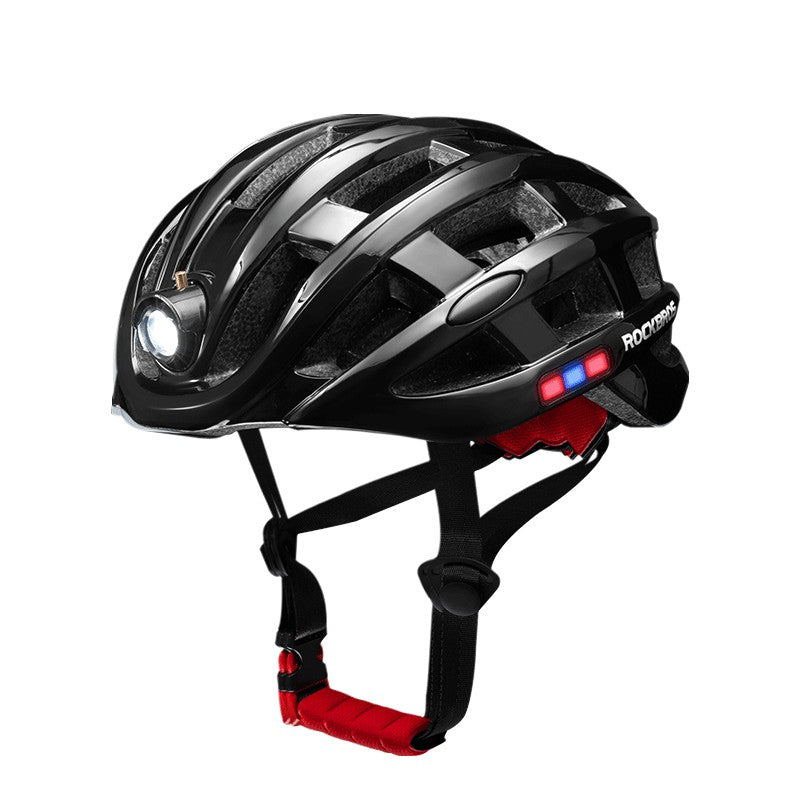
- ROCKBROS 3-Mode Ultralight Helmet with USB Light: Budget Commuter Visibility Helmet
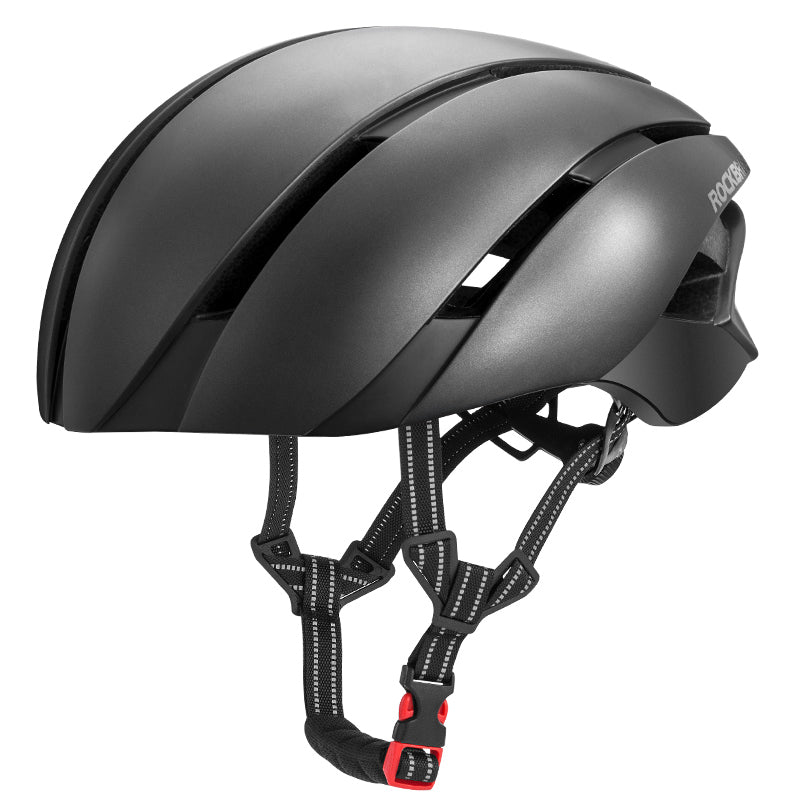
- ROCKBROS Ultralight Aerodynamic Helmet, MTB/Road: MTB & Road, Weight-Conscious Riders
Skip This If
- You need a built-in light for night commuting.
- You only ride in daylight and want a cheaper lid.
- You want a rounder commuter shape or a built-in light.
| Detail | Kingbull Helmet | ROCKBROS 3-Mode Ultralight Helmet with USB Light | ROCKBROS Ultralight Aerodynamic Helmet, MTB/Road |
|---|---|---|---|
| Fit | Everyday commuter | Built-in light for night riding | Road / aero |
| Price | $65.00 | $69.99 | $62.99 |
| Best For | Lightweight Everyday Adult Helmet | Budget Commuter Visibility Helmet | MTB & Road, Weight-Conscious Riders |
| Key Specs | See product details | See product details | See product details |
Everyday commuter
6% offEveryday

- Fit
- CPSC
Kingbull Helmet
$69.00$65.00Save 6%
- Detail
- Lightweight Everyday Adult Helmet
- Detail
- Use: Everyday
A breathable, ultra-lightweight adult helmet with a precise adjuster dial.
Built-in light for night riding
8% offNightEveryday
- Fit
- Light
ROCKBROS 3-Mode Ultralight Helmet with USB Light
$75.99$69.99Save 8%
- Detail
- Budget Commuter Visibility Helmet
- Detail
- Use: Night, Everyday
A ventilated commuter helmet with integrated front, side, and rear lights across 3 modes.
Road / aero
Road
- Fit
- CPSC
ROCKBROS Ultralight Aerodynamic Helmet, MTB/Road
$62.99
- Detail
- MTB & Road, Weight-Conscious Riders
- Detail
- Use: Road
A ~300g aerodynamic helmet for MTB and road riding, with reflective elements for low-light visibility.
This page contains affiliate links. If you buy through one, we may earn a commission at no extra cost to you. Learn more.
Certification Is Non-Negotiable, Everything Else Is Preference
In the U.S., any helmet you buy should carry a CPSC certification sticker inside the shell — this is the baseline safety standard and isn't optional. Beyond that, certifications like MIPS (Multi-directional Impact Protection System) add a layer that helps reduce rotational forces in an angled impact, which is common in real falls. It costs more, but it's one of the few upgrades with real evidence behind it.
Ventilation, weight, and styling are genuine preferences after certification is covered — a helmet you find comfortable enough to wear every ride is a better helmet than a marginally safer one that stays in the garage.
Fit Beats Price
A helmet should sit level on your head (not tilted back), roughly one or two finger-widths above your eyebrows, with the front strap forming a V just under your ear and the buckle snug enough to fit only one or two fingers underneath your chin. If you can move the helmet more than an inch in any direction once strapped, it's too loose.
Most brands run a size chart by head circumference — measure yours with a soft tape measure around the widest point (about an inch above your eyebrows) before buying, especially online. Sizing dials on the back of many adult helmets let you fine-tune within a size range, but they can't fix a helmet that's fundamentally the wrong size.
When to Replace a Helmet
Replace a helmet after any real impact, even if you don't see visible damage — the foam liner is designed to compress and absorb impact energy once, and it doesn't reset. Most manufacturers also recommend replacing a helmet every 5–10 years even without a crash, since the foam and straps degrade with UV exposure, heat, and age.
A cracked shell, crumbling foam, or straps that no longer hold their adjustment are all signs to replace regardless of age.
How We Keep This Guide Useful
We start with the riding problem, then weigh specs that change the real ownership experience: fit, capacity, range, braking, storage, serviceability, and price. Product cards only appear when the product is live and reviewed for the site, and this guide was last checked on 2026-08-02.
FAQ
How do I know if a bike helmet fits correctly?
It should sit level and low on your forehead (one to two finger-widths above your eyebrows), the side straps should form a V just under your ears, the chin strap should fit one to two fingers underneath your chin, and the helmet shouldn't shift more than about an inch when you shake your head.
Is MIPS worth paying extra for?
For most riders, yes — MIPS adds a low-friction layer inside the helmet that helps reduce rotational forces in an angled impact, which is one of the more common real-world crash scenarios. It's one of the few helmet upgrades with real safety evidence behind it, not just marketing.
Do I need to replace my helmet after a crash?
Yes, even without visible damage. Helmet foam is designed to absorb impact energy once by compressing — it doesn't return to its original protective state after a hit, even if the shell looks fine.
Do kids' helmets need anything different from adult helmets?
The certification and fit rules are the same, but sizing runs smaller and more frequently — expect to re-measure and likely resize every year or two as a child grows, rather than assuming a helmet still fits just because it did last season. See our kids' bike sizing guide for the same measure-first approach applied to the bike itself.
Related Guides & Tools
First-Time E-Bike Owner Checklist
A properly fitted helmet is one of the essentials before your first real ride.
Winter Commuting Gear
A light-equipped helmet is exactly the kind of visibility redundancy this guide recommends for shorter winter days.
Best Kids' Bikes by Age
Getting frame size right matters for the same reason helmet fit does — sizing charts are a starting point, not a guarantee.