Example folding bike
17% offCommuting
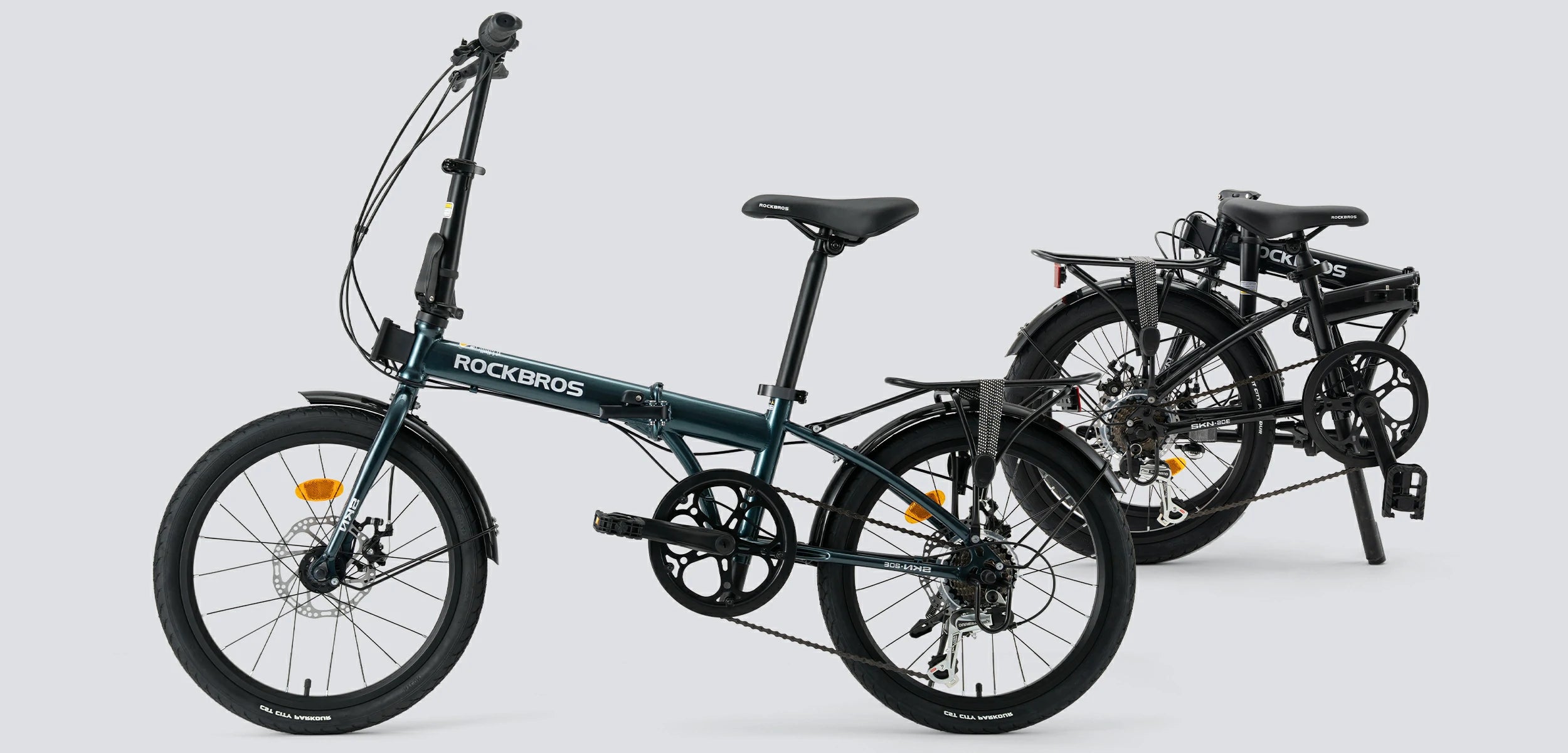
ROCKBROS SKN 20-Inch Folding Bike
$359.99$299.99Save 17%
- Detail
- Budget-Friendly Daily Commuter
- Detail
- Use: Commuting
A non-electric, budget-friendly 20-inch folding bike built for comfortable daily commuting.
Comparison
The right answer depends almost entirely on where the bike lives when you're not riding it, not on how it rides.
This is the fork in the road for commuters weighing portability against ride quality: fold the bike down to fit a tight space or a train, or keep it simple with a standard frame that just rides better for the money. Neither is universally better — the right call depends on your storage situation and commute, not just budget.
| Folding Bike | Regular Commuter Bike | |
|---|---|---|
| Upfront Cost | $350–$900+ typical range for a quality aluminum-frame model | $300–$1,200 typical range |
| Wheel Size | 16", 20", or 24" — smaller than a standard bike | 700c (standard adult wheel size) |
| Weight | 24–28 lbs for aluminum frames, 30+ lbs for steel | 20–30 lbs typical |
| Ride Quality | Feels every crack and pothole more; less stable at speed | Smoother and more stable at commuting speeds |
| Storage Footprint | Folds down to fit closets, under desks, on transit | Full-size — needs a rack, garage, or dedicated space |
| Portability | Built for it — carry onto trains, up stairs, into offices | Not designed to be carried |
| Maintenance | Same as a regular bike, plus the fold mechanism itself | Simple — chain, brakes, tires |
A folding bike earns its tradeoffs when storage or portability is a genuine constraint — a small apartment, a commute that combines cycling with a train or bus, or a workplace where you need to bring the bike inside rather than lock it up outside. If any of that describes your situation, the smaller wheels and firmer ride are a fair price for solving a problem a regular bike simply can't.
If you have normal bike storage — a garage, a rack, even just entryway space — and your commute doesn't involve transit, a regular bike will almost always ride better for the same or less money. You're not paying for a fold mechanism or smaller wheels you don't actually need, and you get a smoother, more stable ride at commuting speeds in exchange.
Example folding bike
A non-electric, budget-friendly 20-inch folding bike built for comfortable daily commuting.
Example regular commuter
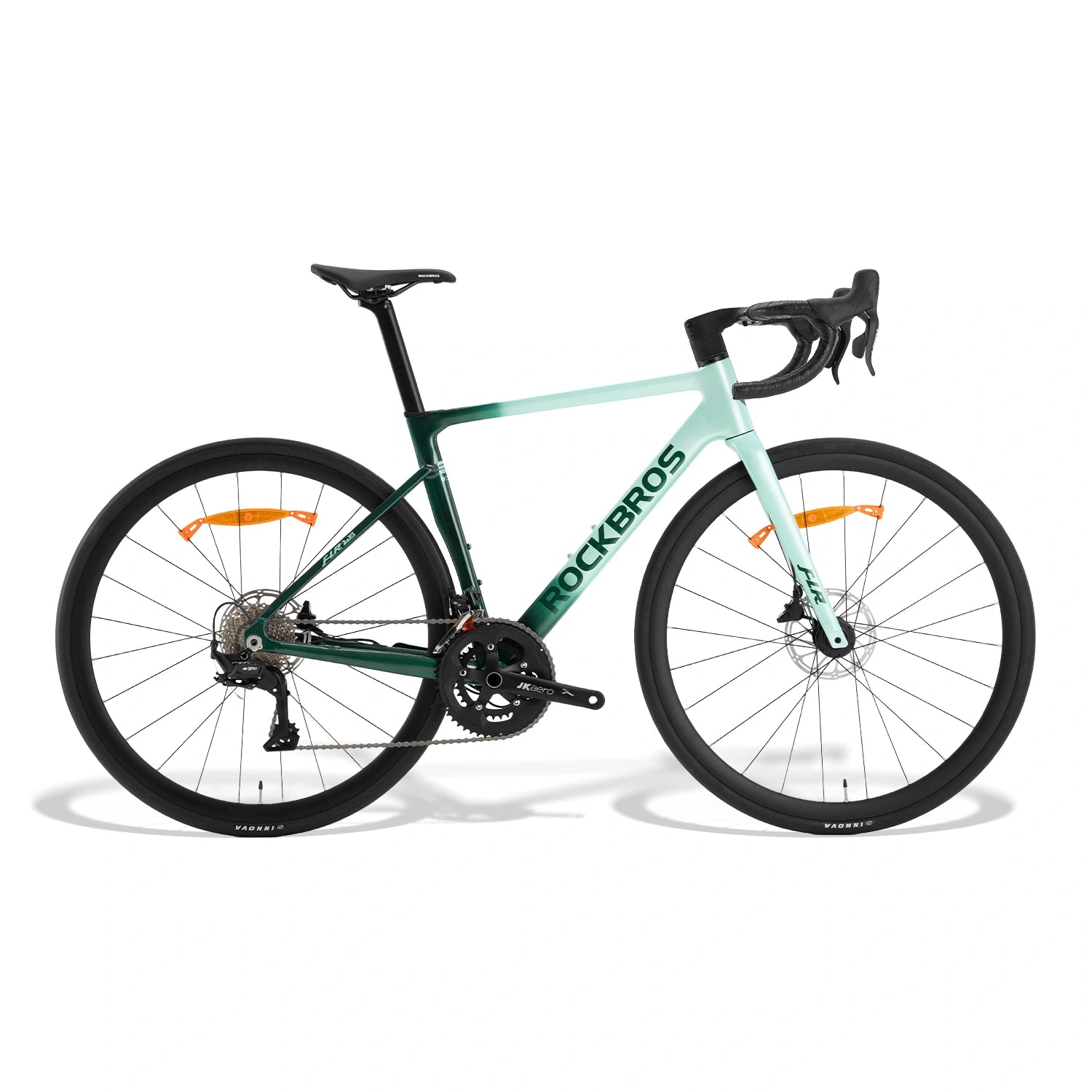
A lightweight aerodynamic aluminum road bike with 2x10-speed shifting and hydraulic disc brakes.
This page contains affiliate links. If you buy through one, we may earn a commission at no extra cost to you. Learn more.
Not really — folding bikes earn their cost by solving a storage or portability problem, not by riding better. If space isn't a real constraint for you, a regular bike will generally ride better for the same or less money.
Not meaningfully more — the same chain, brakes, and tires need the same upkeep either way. The one addition is the fold mechanism itself, which is worth an occasional check to keep clean and free of grit so it keeps folding smoothly.
Decided on a folding bike? Start your search here.
Not sure portability is even your constraint? Start here first.
Everything to pack and check before a multi-modal commute.
Every commuting guide, comparison, and checklist we have, in one place.