Start Here
Wet-weather cargo: ROCKBROS Waterproof Rear PannierBuying Guide
Best Commuter Bike Accessories
Not every accessory is worth buying. Here's what actually makes commuting easier — hauling cargo, being seen, and keeping your bike protected when you're not riding it.
Accessories are where a lot of commuters either overspend on stuff they won't use or underspend on the two or three things that would genuinely make daily riding easier. This guide skips the novelty items and focuses on what solves a real commuting problem: getting cargo from A to B, being seen and heard in traffic, and keeping your bike in good shape when it's parked outside.
Decision Point
Cargo: Front Basket vs. Rear Basket vs. PannierLast Checked
2026-08-04Picks from our shop
Choose This If
- ROCKBROS Waterproof Rear Pannier: Best-Selling Waterproof Commuter Pannier
- ROCKBROS Classic Brass Bike Bell: Best-Selling Classic Bike Bell
- ROCKBROS 360° Adjustable Handlebar Mirror: Best-Selling Mirror, Road & Commuter Bikes
Skip This If
- You only run quick errands — a basket is simpler.
- Your local rules already accept a voice, and you will not use it.
- Your bars cannot take a standard mirror clamp.
| Detail | ROCKBROS Waterproof Rear Pannier | ROCKBROS Classic Brass Bike Bell | ROCKBROS 360° Adjustable Handlebar Mirror |
|---|---|---|---|
| Fit | Wet-weather cargo | Being heard | Being seen |
| Price | $63.99 | $14.99 | $24.99 |
| Best For | Best-Selling Waterproof Commuter Pannier | Best-Selling Classic Bike Bell | Best-Selling Mirror, Road & Commuter Bikes |
| Key Specs | See product details | See product details | See product details |
Wet-weather cargo
9% offCargo

- Kit
- Cargo
ROCKBROS Waterproof Rear Pannier
$69.99$63.99Save 9%
- Detail
- Best-Selling Waterproof Commuter Pannier
- Detail
- Use: Cargo
A fully waterproof rear pannier with roll-top PVC construction, sized to replace a backpack for commuting.
Being heard
Visibility
- Kit
- Visibility
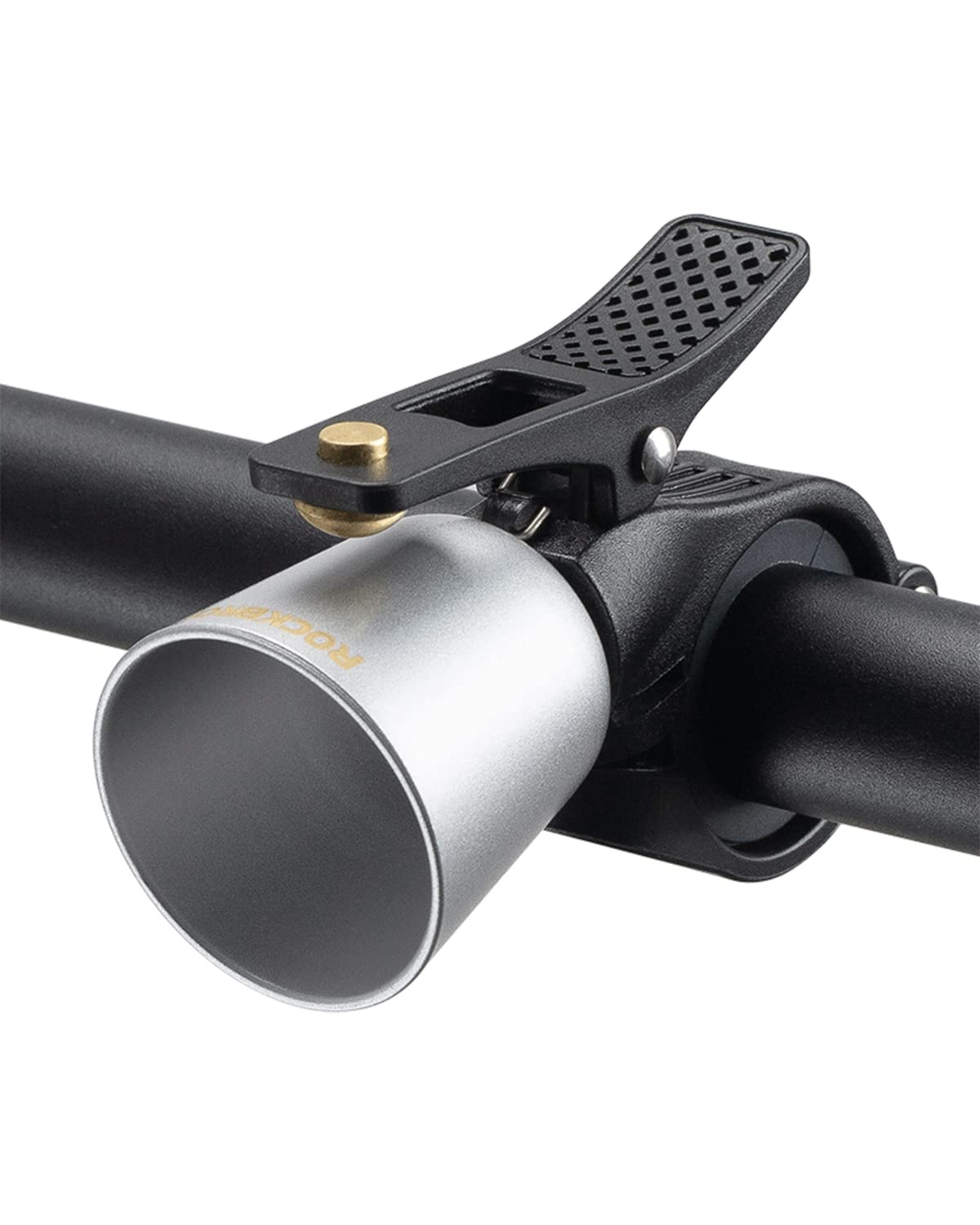
ROCKBROS Classic Brass Bike Bell
$14.99
- Detail
- Best-Selling Classic Bike Bell
- Detail
- Use: Visibility
A classic brass bike bell with a loud, sustained ring — ROCKBROS' best-selling bell.
Being seen
11% offVisibility
- Kit
- Visibility
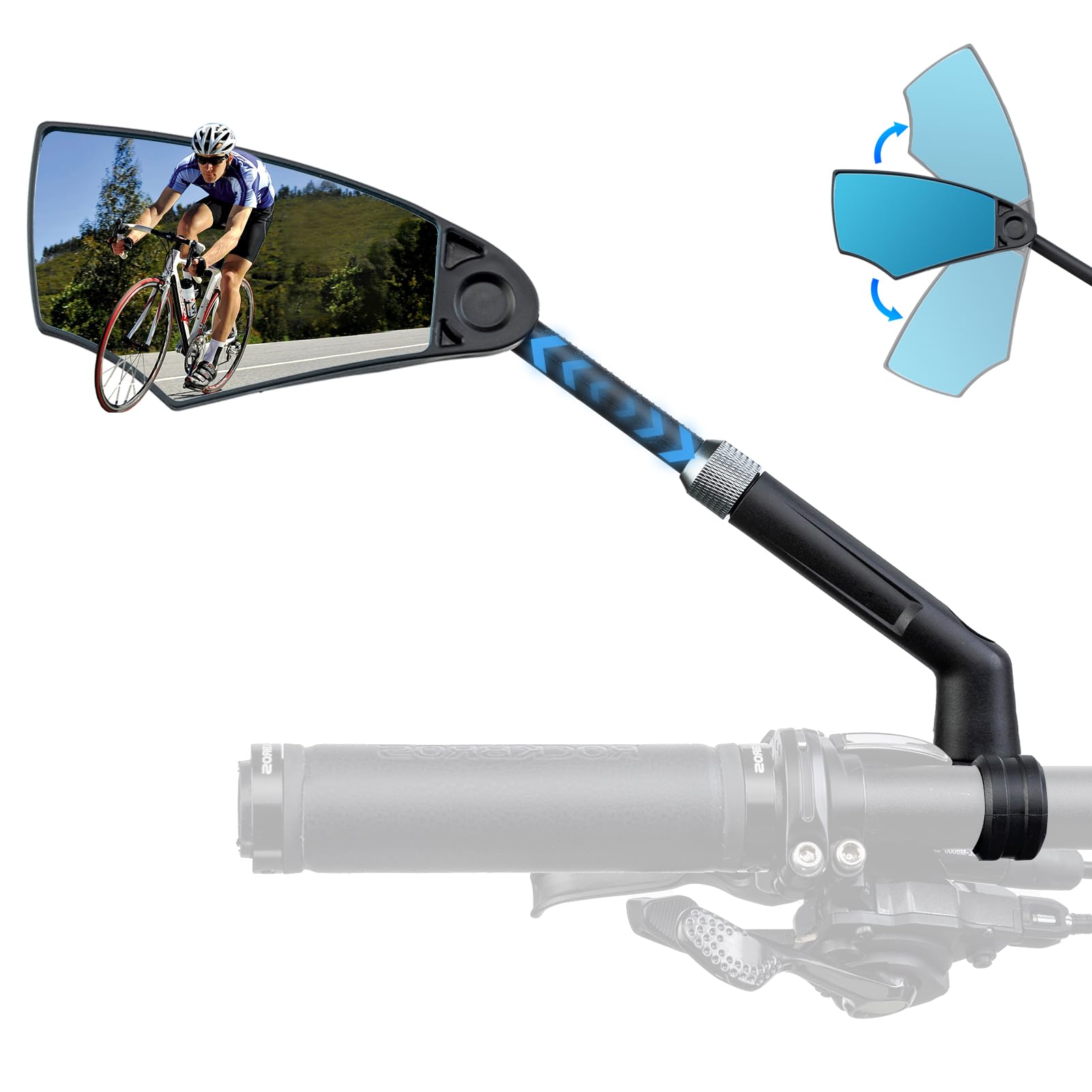
ROCKBROS 360° Adjustable Handlebar Mirror
$27.99$24.99Save 11%
- Detail
- Best-Selling Mirror, Road & Commuter Bikes
- Detail
- Use: Visibility
A 360°-rotating handlebar mirror with anti-glare, scratch-resistant glass for checking traffic behind you.
This page contains affiliate links. If you buy through one, we may earn a commission at no extra cost to you. Learn more.
Cargo: Front Basket vs. Rear Basket vs. Pannier
A front basket is the fastest way to carry small stuff — most fold-and-clamp designs install without tools and fold flat when you don't need them, which makes them a good fit for quick errands rather than a daily-loaded commute. They're not weatherproof, though, so they're better for a bag or a small pickup than for anything that can't get rained on.
A rear cargo basket trades that quick-access convenience for real capacity — a 30L rear basket is enough for a grocery run or a full bag of gear, and a removable cover keeps light rain and dust off. A waterproof rear pannier goes a step further: fully sealed roll-top construction and a hard support board to protect a laptop make it the better choice if you're commuting with electronics or riding in genuinely wet weather on a regular basis.
One thing to plan for either way: rear baskets and panniers mount to a rear rack, not the bike frame itself, so you'll need a rack already installed before either one is useful. Check your bike's spec sheet or the rack's mounting compatibility before buying.
Being Seen and Heard
A handlebar mirror is one of the cheaper upgrades that genuinely changes how safe riding in traffic feels — being able to check for cars behind you without a full head-turn (which briefly takes your eyes and balance off the road ahead) matters more than most riders expect until they try it. Look for anti-glare glass and a wide rotation range so you can dial in the angle for your riding position.
A bell is a small, cheap addition, but it's worth having for a reason beyond politeness — many cities and shared-use paths require an audible signaling device for cyclists, and even where it's not required, a bell is a faster, less confrontational way to alert a pedestrian or another rider than shouting. Check your local rules if you're unsure whether it's actually required where you ride.
Protecting Your Bike Between Rides
If your bike lives outside — a balcony, a carport, a bike rack at work — a cover is one of the cheapest ways to extend its life. Stretch-fit covers protect against dust, scratches, and light weather without you having to remove accessories first, since a full-wrap zipper design goes on and off around whatever's already mounted.
Fit matters more than it looks like it would: covers are sized to a wheel-diameter range (commonly in the 24–29" range, covering most mountain, gravel, and road bikes), so double-check your bike's wheel size against the listing before buying — a cover sized for a standard adult bike won't reliably fit a kids' bike or an e-bike with wider fat tires.
The Small Stuff That Adds Up
A water bottle cage isn't exciting, but it's one of those accessories you notice the absence of on every ride once you've gone without it. Magnetic designs let you pull the bottle free and drop it back in one-handed, without slowing down or fumbling with a friction-fit cage — a small thing that matters more on a longer commute or a hot day.
How We Keep This Guide Useful
We start with the riding problem, then weigh specs that change the real ownership experience: fit, capacity, range, braking, storage, serviceability, and price. Product cards only appear when the product is live and reviewed for the site, and this guide was last checked on 2026-08-04.
FAQ
Do I need a rear rack before I can use a rear basket or pannier?
Yes — rear baskets and panniers mount to a rear rack, not directly to the bike frame. If your bike didn't come with one, check its frame for existing rack mounts (eyelets near the rear axle and seatstays) before buying either accessory.
Is a bike bell actually required by law?
It depends on where you ride — many cities and states require an audible signaling device for cyclists on roads or shared paths, but the specifics vary by jurisdiction. Check your local bike laws if you're not sure; either way, it's a cheap, low-friction way to alert pedestrians without shouting.
Will a standard bike cover fit my e-bike or kids' bike?
Not necessarily — stretch-fit covers are sized to a specific wheel-diameter range, typically covering standard adult mountain, gravel, and road bikes. E-bikes with wider fat tires or smaller kids' bikes may fall outside that range, so check the listed size range against your bike before buying.
Related Guides & Tools
Best Bike Locks
Cargo and visibility gear won't matter much if your bike gets stolen while you run in somewhere — pair this with a lock that matches how long you'll leave it parked.
Bike Maintenance Basics
A cover keeps your bike cleaner between rides — pair it with these basics to cut down on maintenance overall.
Winter Commuting Gear
A cover earns its keep even more in winter specifically — protection from snow and ice, not just dust.
Bike Commuting Checklist
Cross-check this guide against the full daily-commuting gear list.
Bike Commuting: The Complete Guide
Every commuting guide, comparison, and checklist we have, in one place.